Teacher training courses within the framework of the ERASMUS+ Program

Dealing with cultural and linguistic diversity in your classroom successfully (5 days)
Vielfältiges Österreich: Sprache, Land und Leute (6 Tage in Wien)
Sprachliche und kulturelle Diversität in der Klasse – Tipps für den Unterricht (5 Tage)
Wien erleben: eine Reise durch die Geschichte und Kultur Österreichs - Landeskunde (6 Tage)
Participants can choose between two course languages: English or German.
Teacher training courses are held in Vienna (Austria).
You can find the most important pieces of information about course administration and application procedure in the FAQ section.
Our courses are offered in cooperation with Jutaki Bt. Hungary Expert for Teachers.
Our shared PIC Code is: 89 96 65 301 OID: E10016801
The FAR Code for Hungarian participants: B/2020/006603

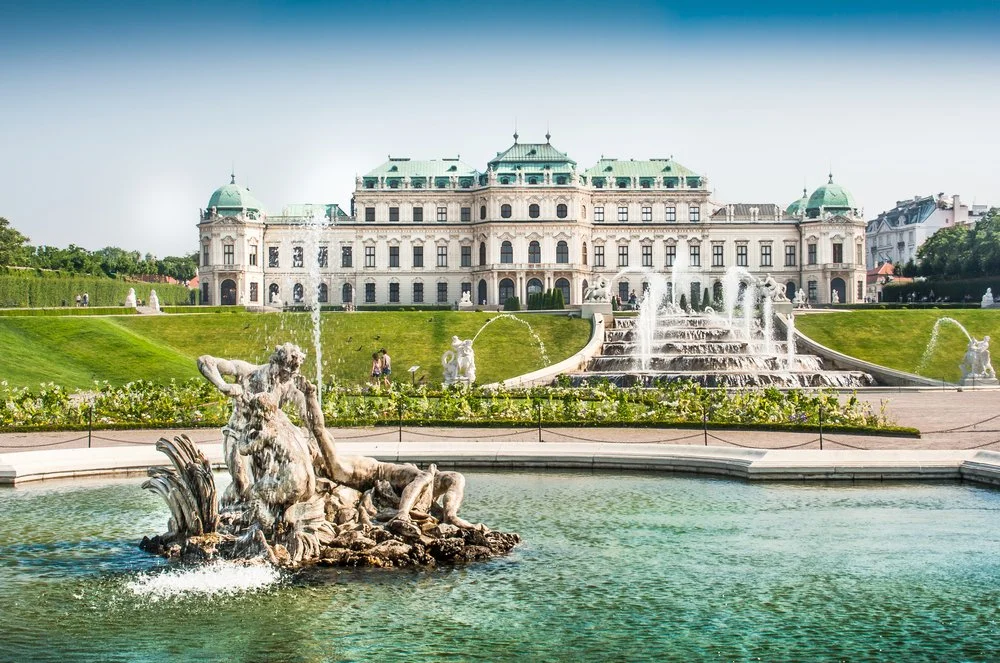
Vienna (Austria)


References
Dealing with cultural and linguistic diversity in your classroom successfully
No courses in English are planned for 2025. Join any of our courses in German this year.
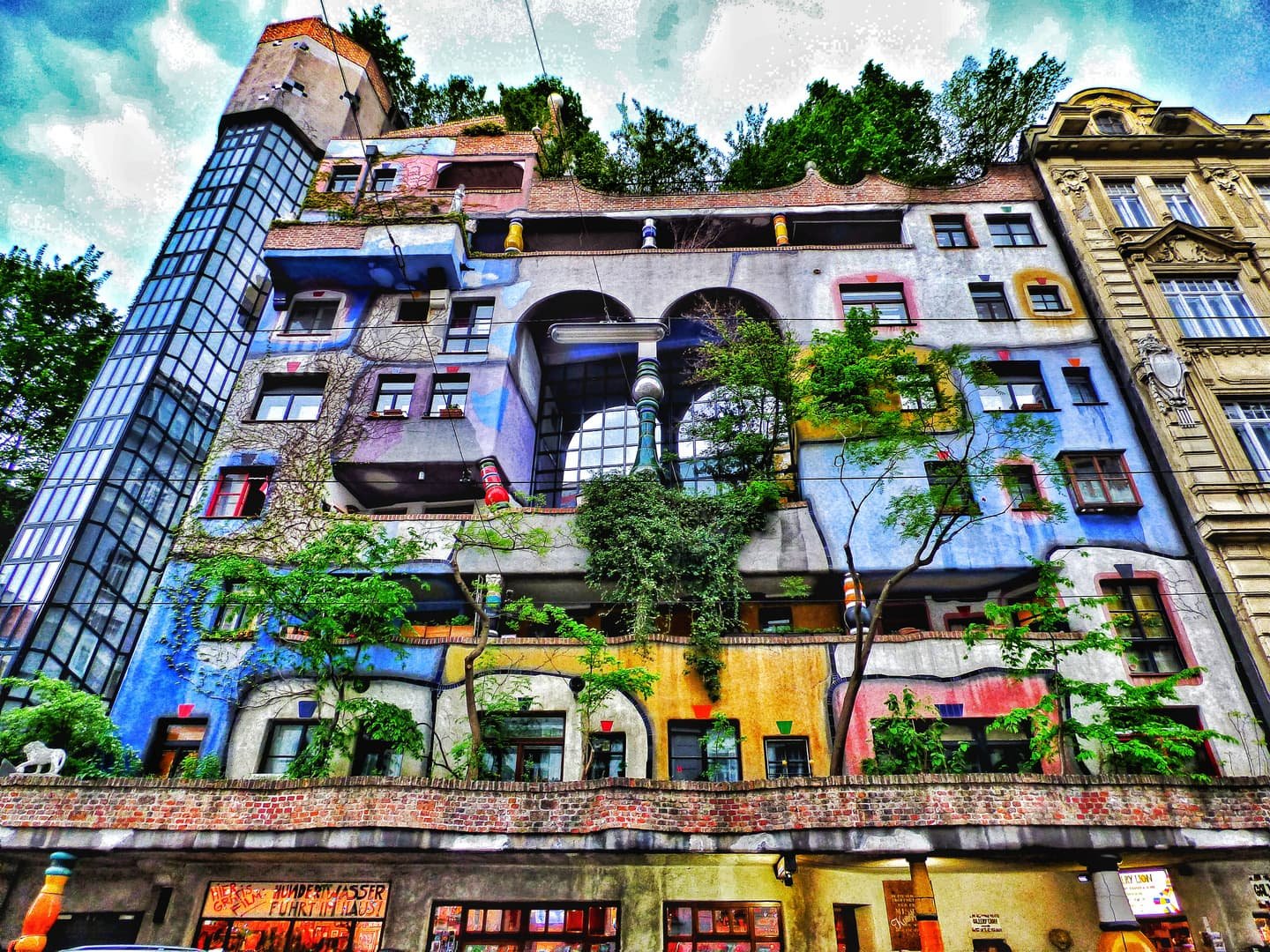
JOIN US FOR AN UNFORGETTABLE WEEK IN VIENNA :)


This training course focuses on the cultural and linguistic diversity of today’s classrooms and the challenges teachers have to face to find the most suitable way to cope with this situation. (This equally applies to teachers of ANY subject, not only to language teachers.)
The course aims at helping teachers to develop intercultural competence, a set of skills that are vital to communicate effectively with people of other cultures (school children and their parents). The workshop helps educators to build the intercultural communication skills and cultural awareness they need to succeed in culturally diverse classrooms.
According to the current multilingual approaches, the different linguistic background of the pupils could be perceived as a valuable pedagogical resource instead of a problem. How could teachers better understand and utilise the linguistic diversity existing in their classrooms? We will examine how these innovative pedagogical approaches work in the practice and how they can meet the teachers’ daily needs.
Through various engaging individual and group activities, discussions of case studies (videos), and sharing of best practices across Europe, course participants will explore different tools, resources and practices for a more efficient teaching of culturally and linguistically diverse groups. This new perspective will help you to work more effectively in a multilingual and multicultural environment.
COURSE LEARNING OUTCOMES
During the course you will…
learn about concepts, such as language biography, BICS&CALPS, scaffolding, linguistically appropriate practice, cultural behaviour, values, stereotypes, communication across cultures, cross-cultural communication problems, culture shock, and non-verbal communication.
increase your knowledge of how one’s own culture determines one’s behaviour
identify barriers to communication that exist in inter-cultural communication situations
learn about the various aspects of bilingualism (multilingualism) and biculturalism (multiculturalism) in children and adolescents.
understand the importance of “language awareness” and “cultural awareness” as key components for effective communication.
find out how to adapt the learning content and how to modify your role as a teacher to make it more suitable for both native and non-native pupils of your class.
be encouraged to “open up” the classroom practice to allow non-native students to use their home languages during class.
become familiar with activities, games and resources to embrace multiculturalism in your classroom.
Through various engaging interactive individual and group activities, discussions of case studies (video), and sharing of best practices, course participants will explore different tools, resources and practices for a more efficient teaching of culturally diverse groups. Participants are asked to reflect on their own pedagogical knowledge and teaching methods, and on the adaptation of their newly acquired knowledge to their teaching and learning situations.
COURSE FEE
5 days = 485 Euro (385 Euro + 100 Euro administration fee)
The price includes the course fee, coffee and tea during breaks, the course material and the administration fee. It does not however include accommodation and travelling costs.
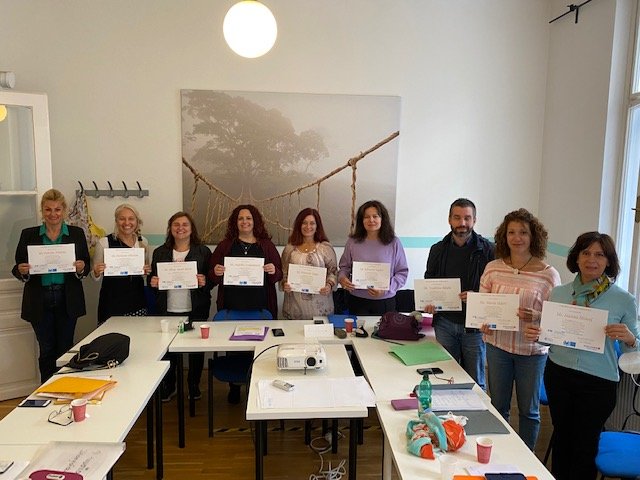
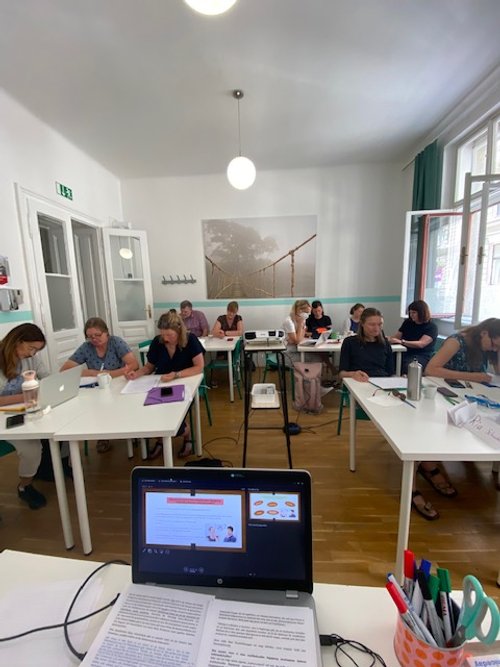
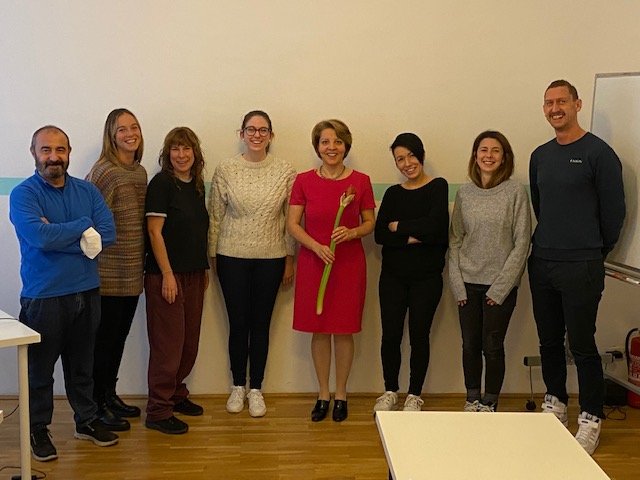
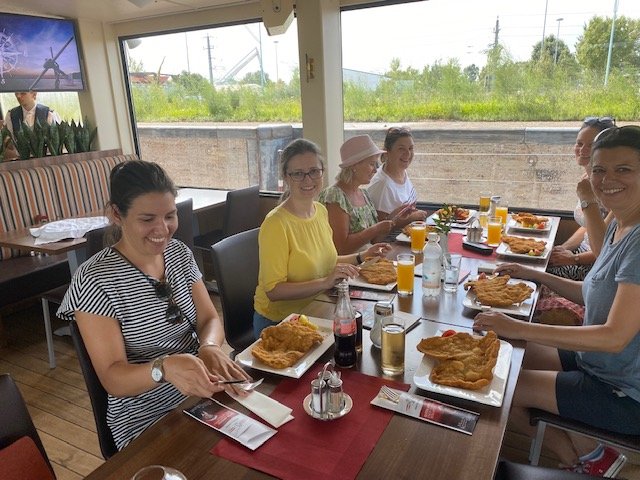
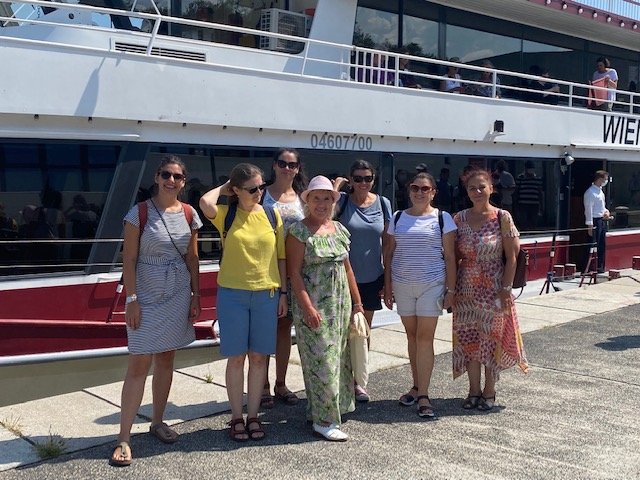
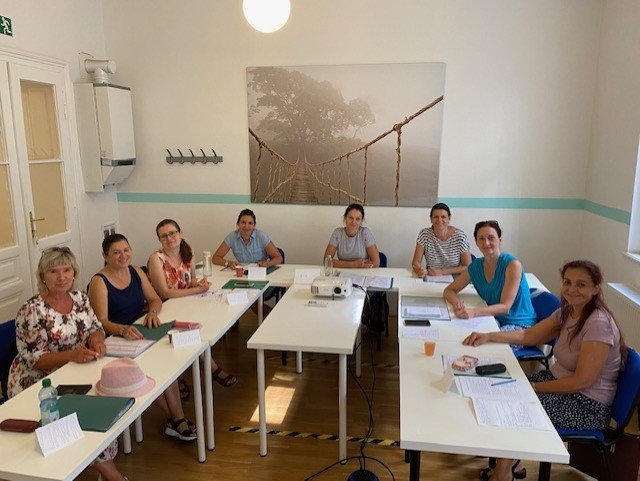
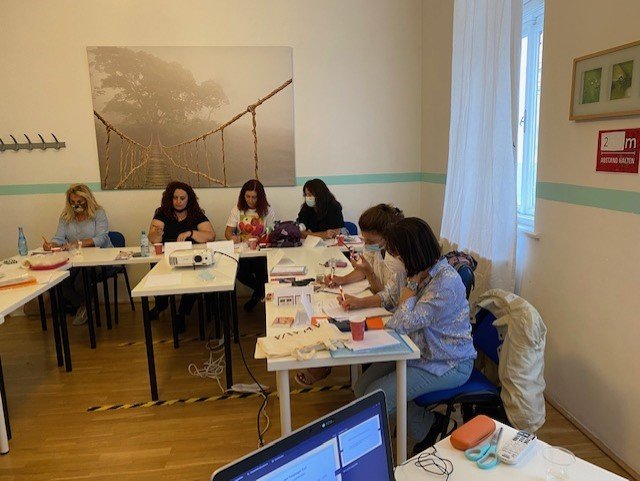
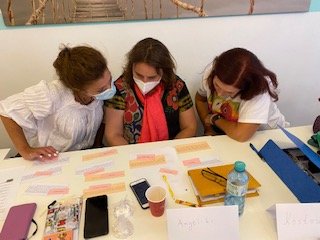
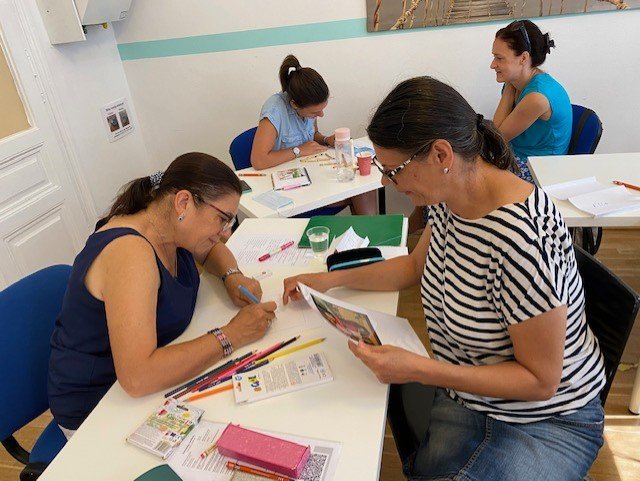
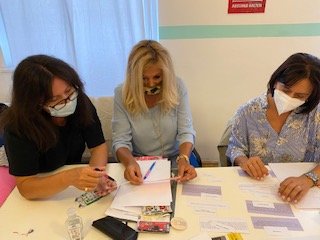
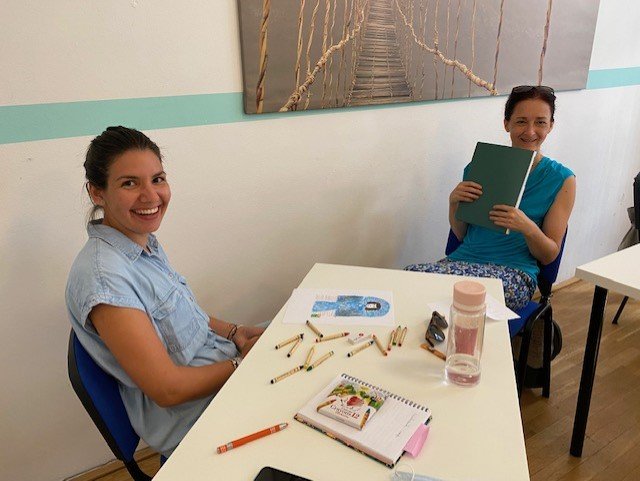
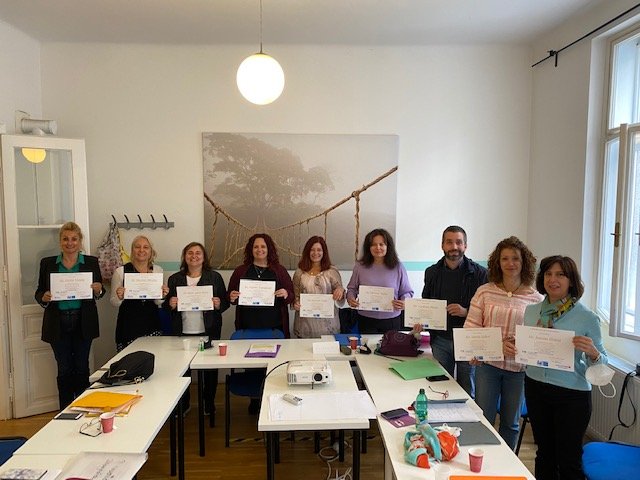
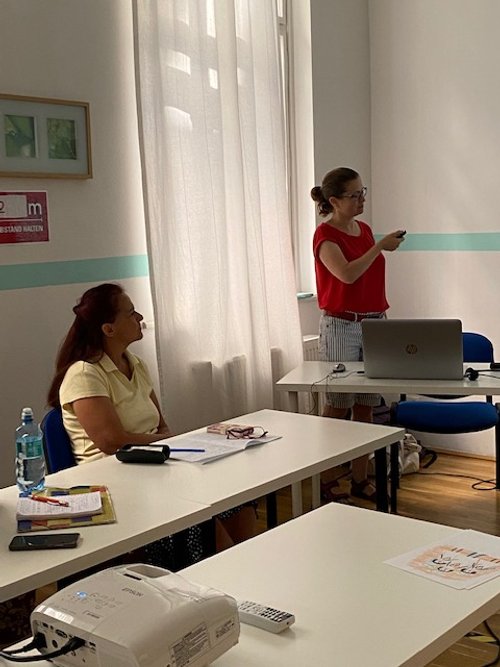
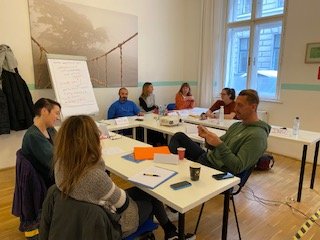
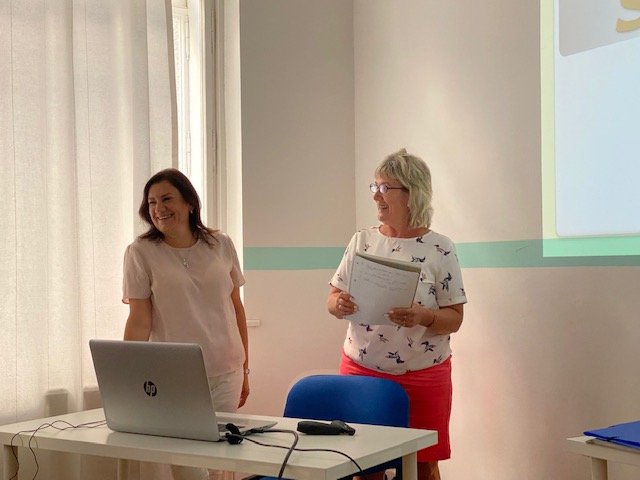
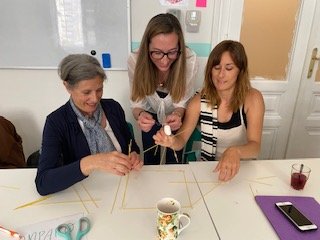
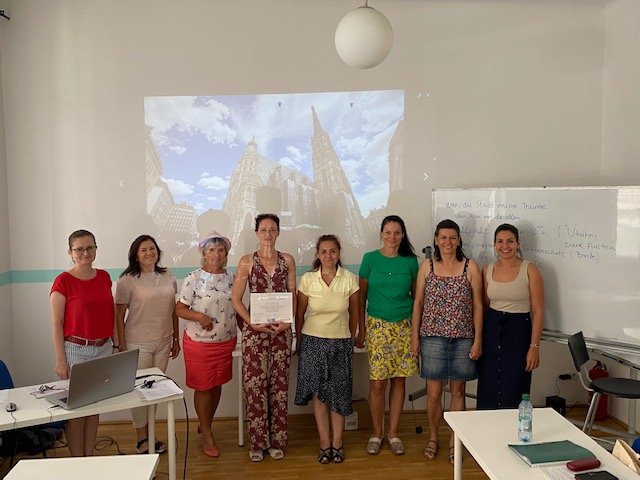
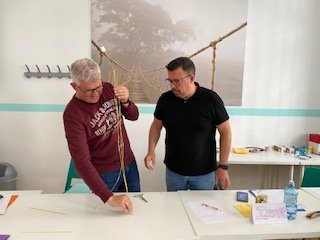
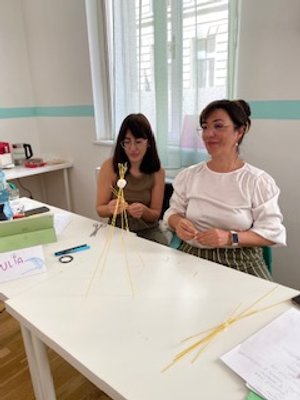
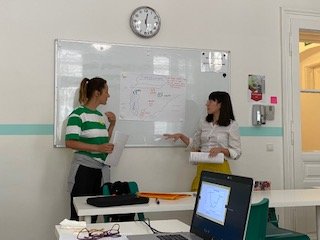
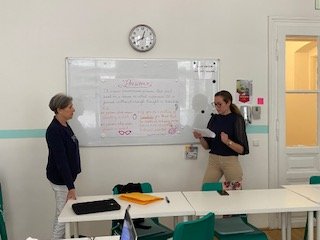
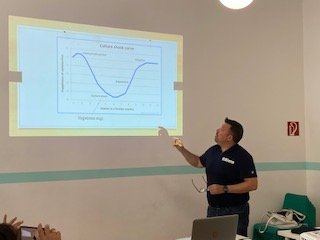
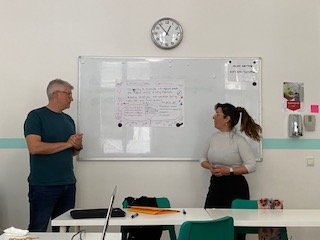
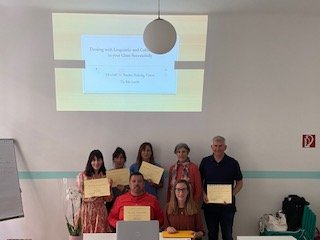
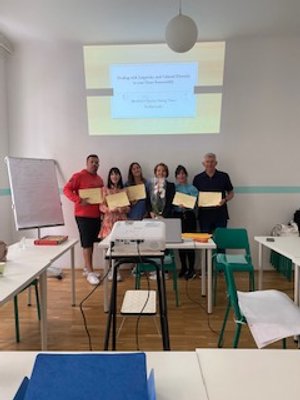
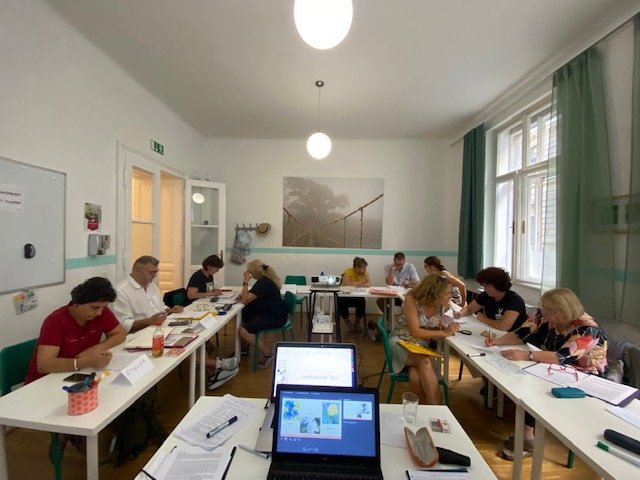
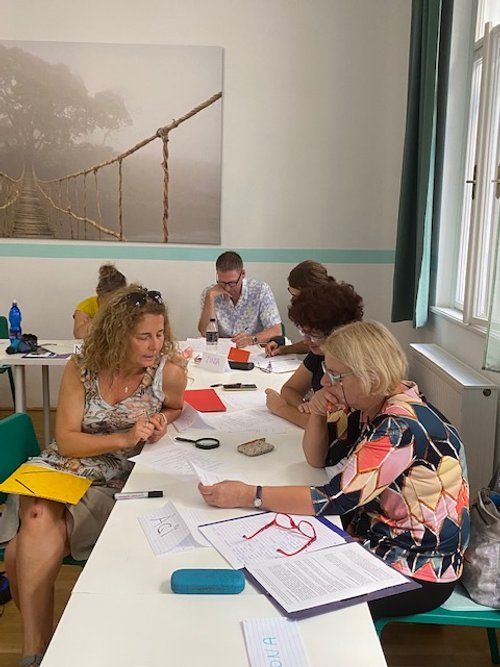
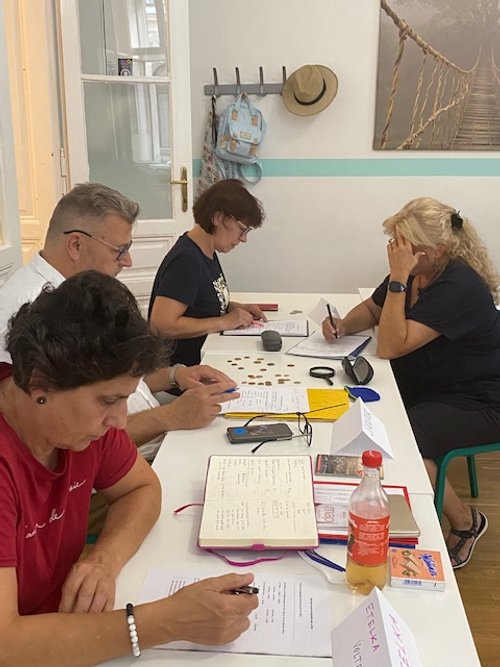
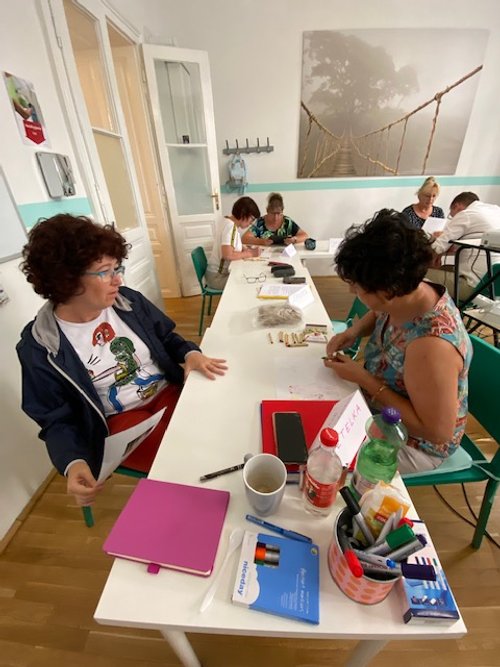
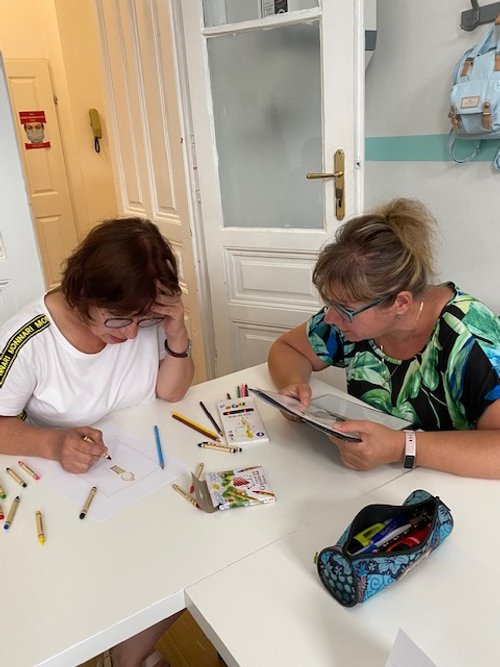
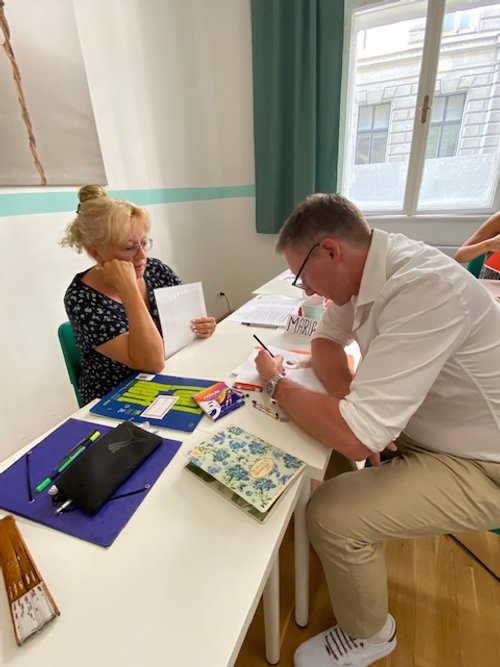
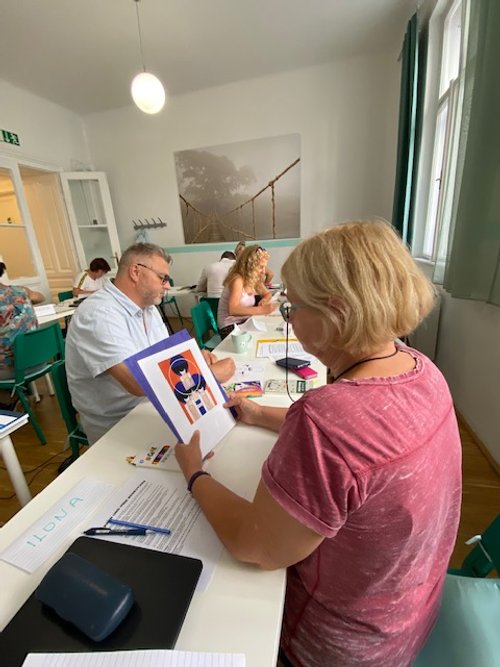
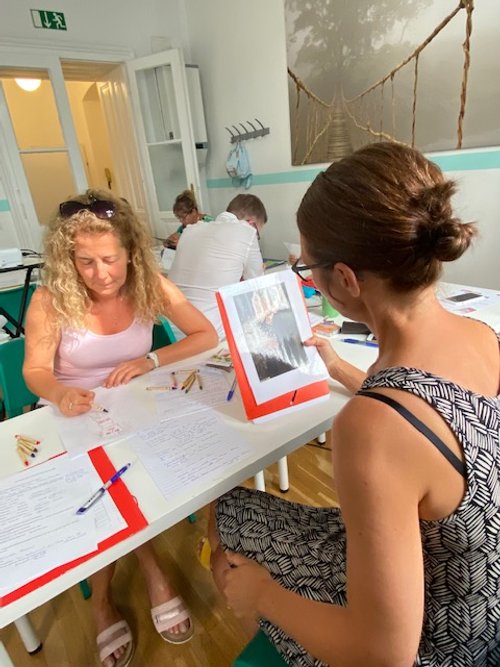
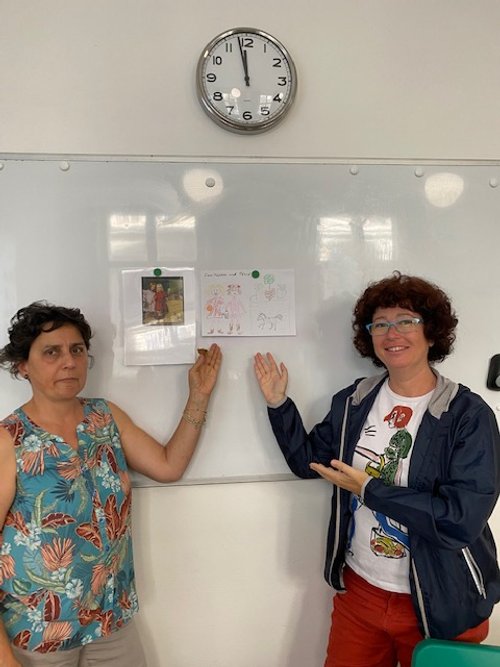
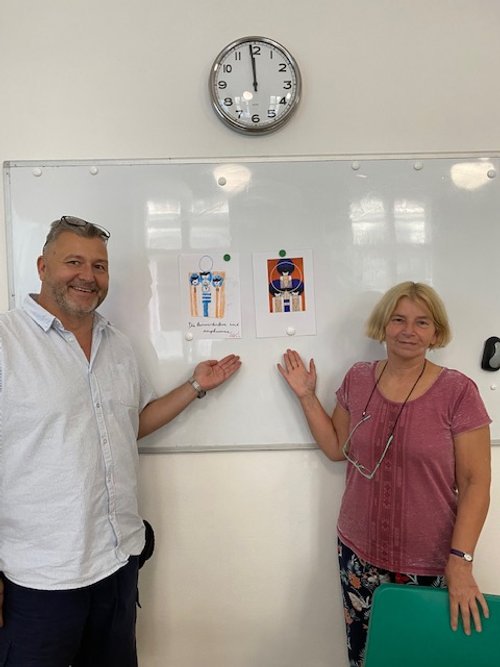
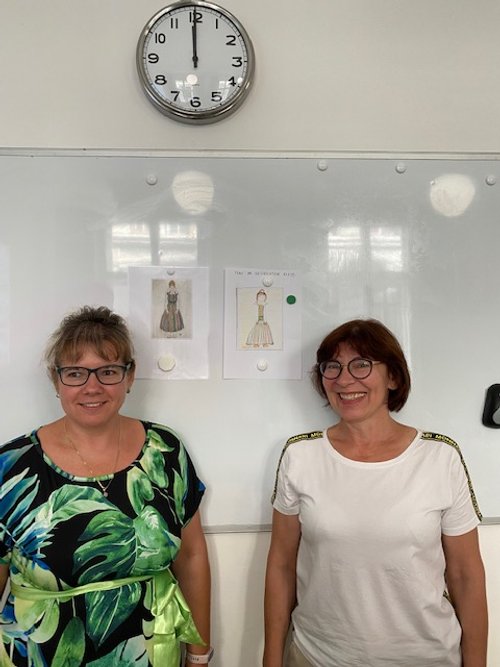
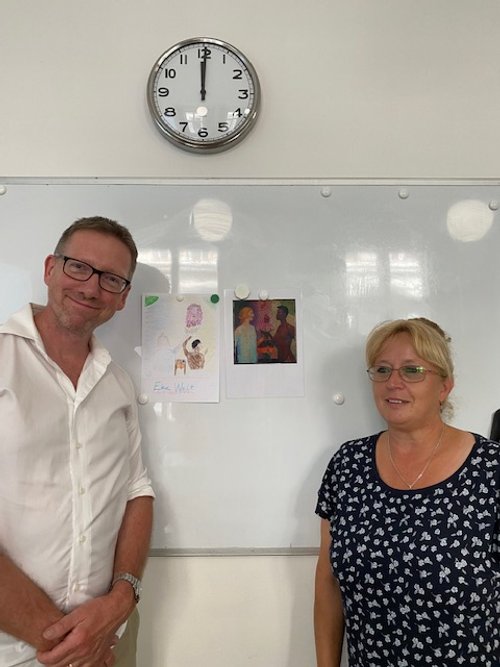
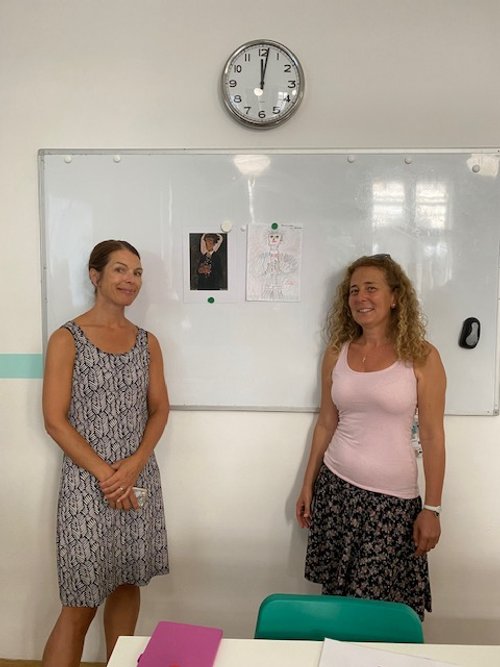
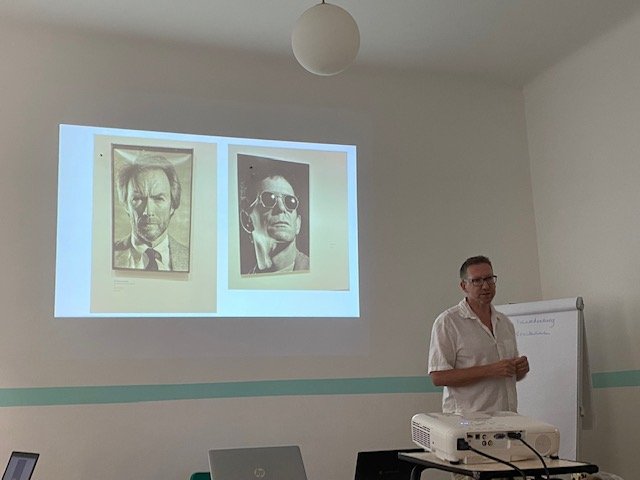
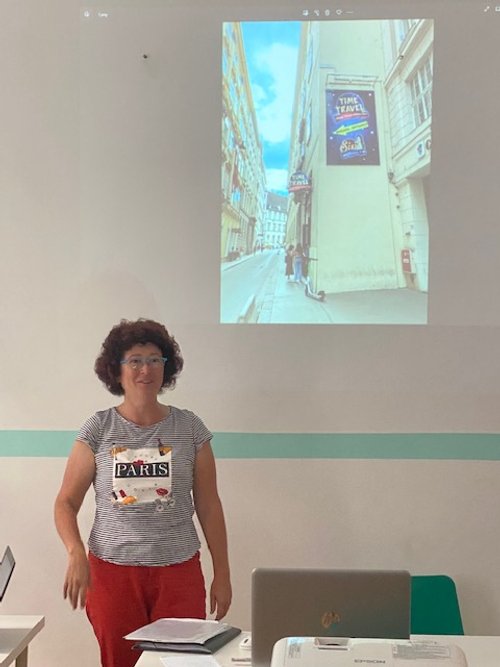
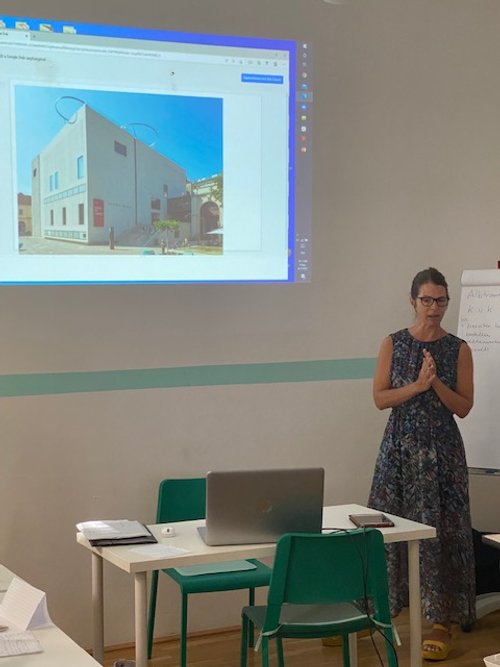
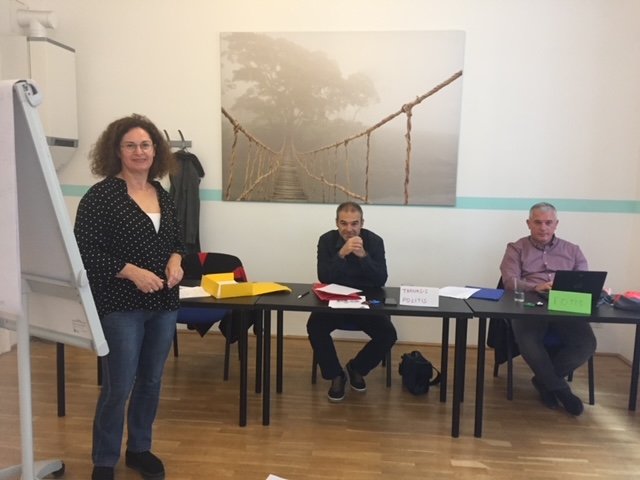
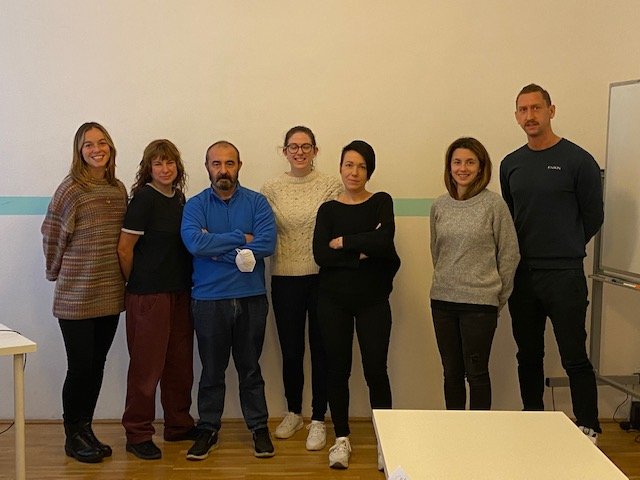
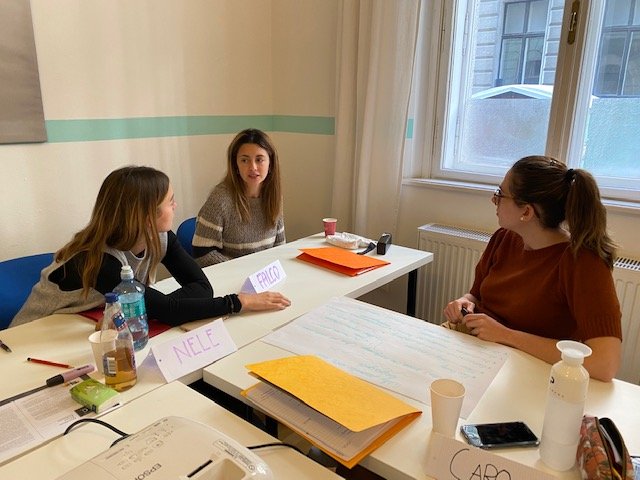
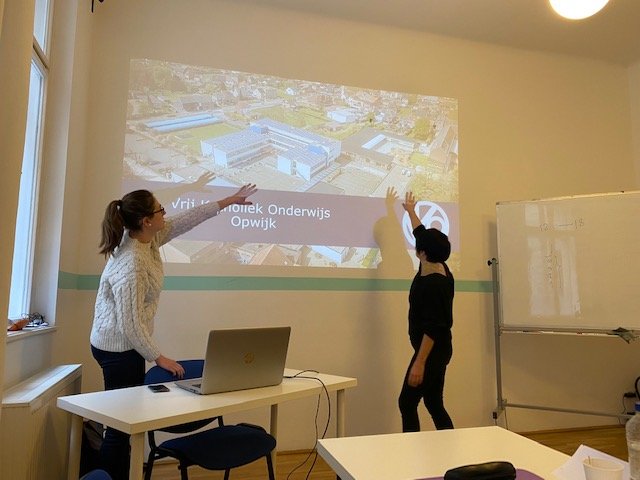
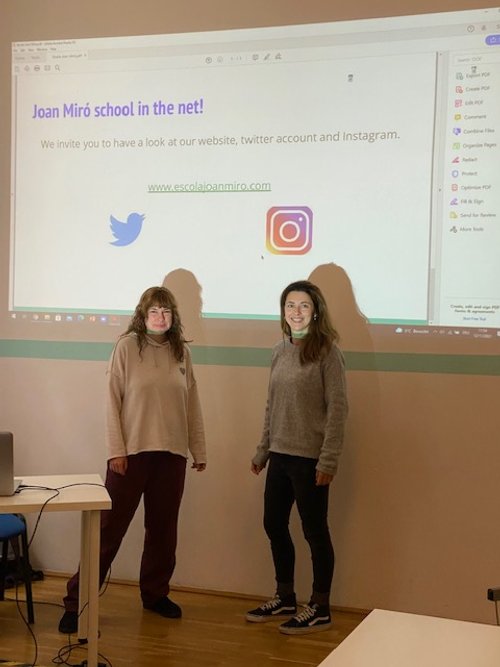
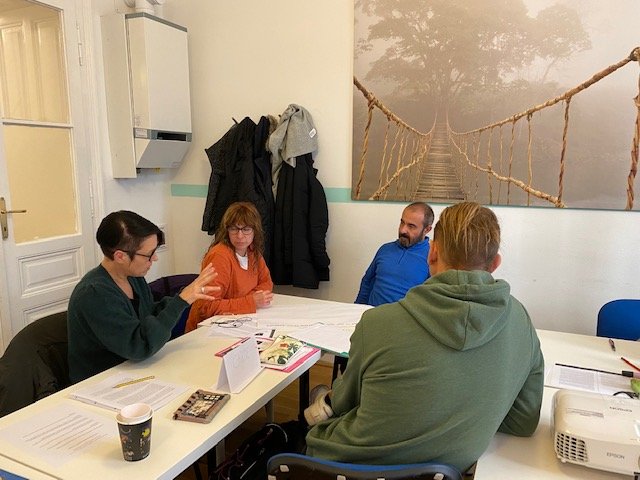
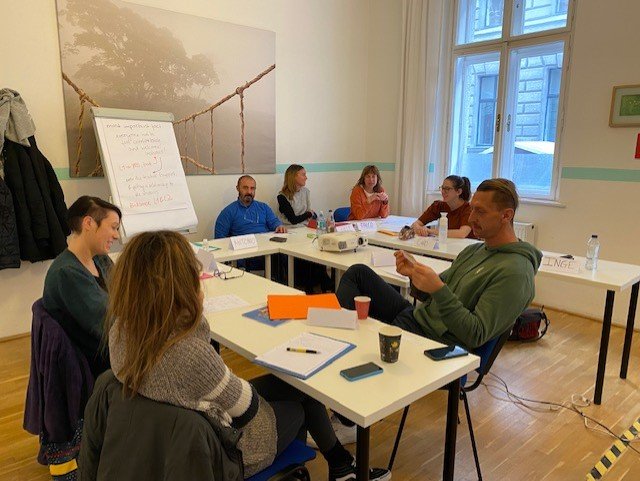
Please scroll down and have a look at the pictures of our previous seminars.
Dr. Rita Csiszár, PhD
Applied Linguist, Sociologist and English Teacher

I have, throughout my career, always focused on the linguistic and social aspects of international migration. I have spent part of my working life in academia; taking up teaching assignments, working on various research projects in different countries and writing scientific articles.
In 2014, I published a handbook for parents and teachers on raising and educating multilingual children. In 2019 my English audiobook was brought out with the title Important Questions and Answers on how to Raise Bilingual and Multilingual Children successfully. In these resources, I combined my many years of research experience in the field of bilingualism with my personal insights into the topic being an expat and a mother of bilingual kids.
Having moved to Switzerland, I have started a consultancy for parents and educators of multilingual children. I enjoy giving workshops and holding lectures to an interested audience Europe-wide.
I hope to welcome you in any of my courses about linguistic and cultural diversity in the classroom. I am passionate about discussing best practices in teaching and exchanging views on various questions about the future of education. See you soon in the fascinating Austrian capital! Vienna is awaiting you.
Multilingual Kids
Switzerland
Frequently Asked Questions – Erasmus+ KA 1 Mobility Project
-
PIC stands for Participant Identification Code. Each organisation or educational institution has a specific PIC code. You always need this nine-digit number to identify your organisation. Our courses are offered in cooperation with Jutaki Bt. Hungary Expert for Teachers.
Our shared PIC Code is: 89 96 65 301.
As of October 2019, PIC has been replaced by OID (Organisation Identification Number). Our OID number is: E10016801
-
The price includes the course fee and the course material. It does not however include accommodation and travelling costs.
Nevertheless, travelling costs and daily subsistence, which can be used for accommodation, food and other minor expenditure, can also be covered from your Erasmus+ grant (see organisational support and travel support). The amount varies according to your home country and your country of destination, in our case Austria and/or Hungary. For further information about financing your training program, please contact either the person responsible for Erasmus+ at your institute or your National Agency.
The course is also open to participants who pay for their own fees (participants with no grants).
-
We will provide you with a list of various accommodation opportunities (e.g. hostel, rbandb, hotel, etc.) in the close neighbourhood of the course location. We kindly ask you to book your accommodation on your own.
-
Please fill out the registration form with all the relevant information. You can apply for one person only or for a group of people belonging to the same institution. We will check the availability of the requested course and get in contact with you within 48 hours.
-
Participants are kindly asked to transfer the full amount of the course fee to the course provider’s bank account at least 6 weeks prior course start. As soon as we have received the full amount, your place in the course is secured.
Please transfer the course fee to the following bank account:
Name: Jutaki Bt. Transferwise Europe SA Avenue Marnix 13-17, 1000 Brussels, Belgium
Bank Account: IBAN: BE92 9670 3436 3123 SWIFT / BIC CODE: TRWIBEB1XXX
-
4 weeks before your course starts you will be informed whether we have enough participants to run the course. Please buy your plane or train tickets and book your accommodation only after you have received your Booking Confirmation from us. And even then, please always buy a cancellation insurance for your flight and accommodation for your all-round protection.
-
Each course starts with a minimum number of 5 participants.
-
As soon as your school/institution has a minimum number of 5 participants to attend a course, please contact us for a course date individually set up for you and your colleagues. You are free to decide about the course location as well (Vienna or Budapest). Please send us your request well in advance so that we can make arrangements accordingly.
-
Cancellations must be at all times communicated via E-Mail.
If participants cancel at least 4 weeks before the beginning of the course, Multilingual Kids will refund the entire amount, minus 50 Euro administrative costs. (Whereby the bank transfer costs of the refund have to be paid by the course participants.)
If participants cancel less than 4 weeks before the beginning of the course, Multilingual Kids will retain the entire amount and the participants will be allowed to join another course within the following 12 months.
Once the course has begun, Multilingual Kids will retain the entire amount paid.
If the course has to be cancelled due to the failure of the course provider (e.g. health problems of the instructor), participants will be refunded the entire amount of course fee. The course provider, however, does not assume financial responsibility for the cancellation of the flight tickets, accommodation or any other costs related to the cancellation of the course. For this unexpected case, it is important to have an all-round protection, a valid cancellation insurance for your flight ticket and accommodation.
-
Absence for personal reasons, early departure and late arrivals, are no reasons for making up lessons or reimbursements.
-
Yes, definitely. We are organising various optional programs for you to discover Vienna or Budapest. (You will receive the final program with all the necessary information about the course time table and optional programs along with your Booking Confirmation.)
-
Meals are not included in the course fee. There is a wide variety of casual and family- style dining opportunities (restaurants, coffees and bars) in the close neighbourhood of the course venue. Participants can have lunch together as a group, if they wish to.
-
Both in Vienna and in Budapest, the course venues are centrally located, in the very heart of the capital city. The address will be sent to you along with your booking confirmation.
-
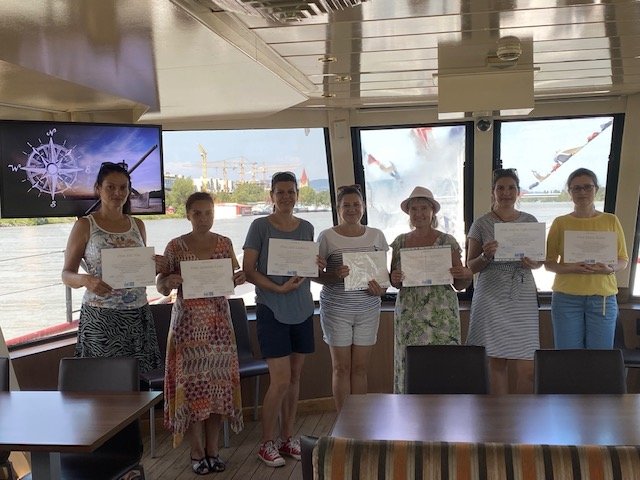
Yes, you definitely do. A certificate of attendance including a description of the training content and time input as well as a Europass Mobility Certificate will be issued to the participants.